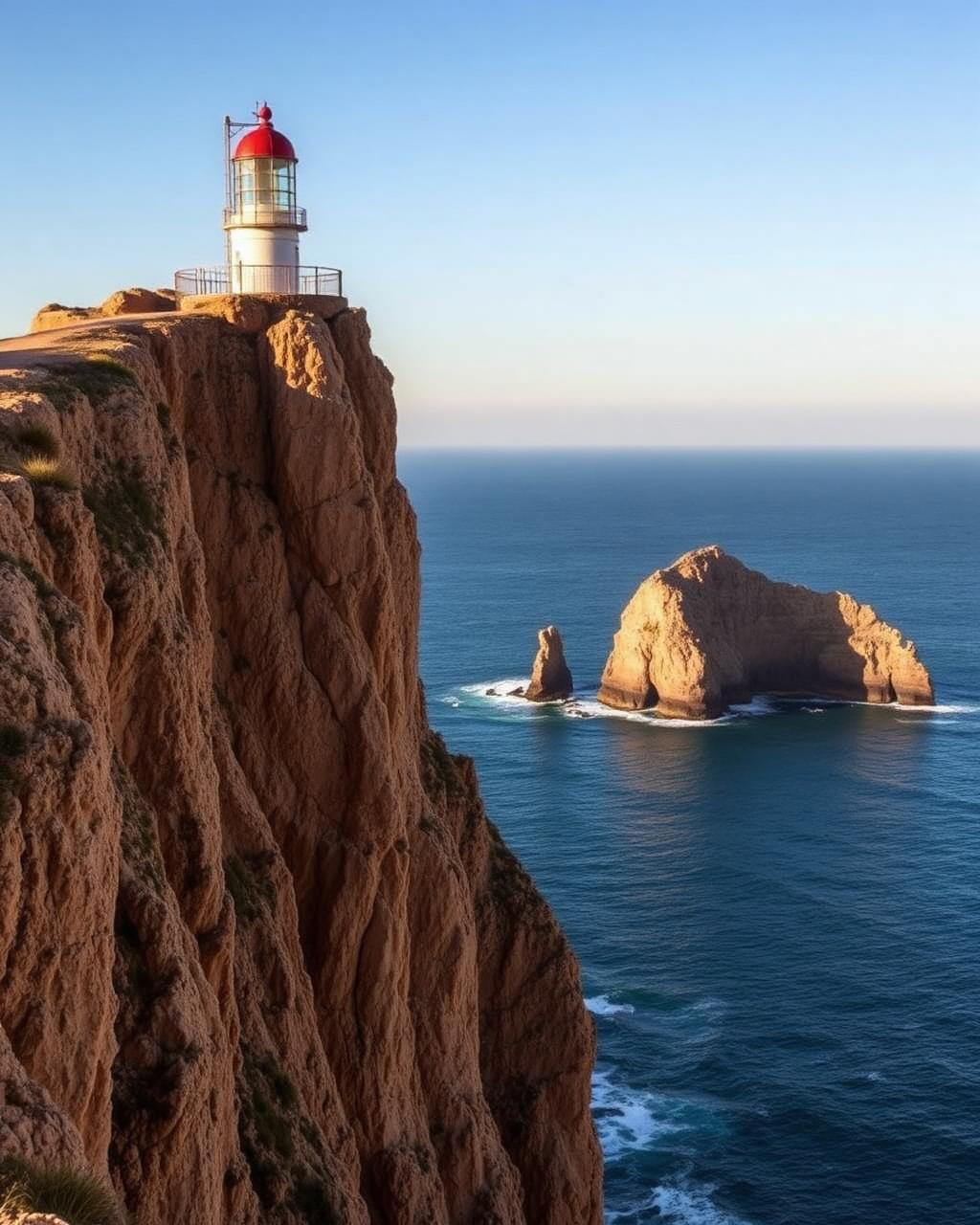
Tangier sits where the Atlantic meets the Mediterranean, which gives it milder summers and breezier winters than Marrakech or Casablanca. Here's the month-by-month picture.
Quick answer
May, June, September and early October are the sweet spot — warm seas, blue skies, and no peak-summer crowds. July and August are hot and busy with Moroccan holidaymakers. Winter (December–February) is mild but wet and very windy.
Spring (Mar–May)
15–22°C, occasional showers tapering off. Wildflowers in the hills, perfect for walking the medina and Cap Spartel. Sea still cool until late May.
Summer (Jun–Aug)
22–30°C, dry, sea around 22°C. Beaches packed in August with families from Casablanca and Spain. Book hotels well in advance.
Autumn (Sep–Nov)
The local secret. Sea is at its warmest in September (24°C), prices drop, light is golden. November starts the rain.
Winter (Dec–Feb)
10–17°C, frequent rain and the famous Levante wind. Hotels are cheap, restaurants quiet, and the medina is atmospheric in a soft drizzle. Bring a real coat.
What to pack
Summer: light layers, swimwear, sunscreen, a scarf for evenings. Winter: waterproof jacket, sweater, closed shoes — the wind cuts through.
FAQ
- What is the best month to visit Tangier?
- May, June and September are ideal — warm enough for the beach, cool enough to walk the medina, with the lowest chance of rain and smaller crowds than midsummer.
- Does it rain in Tangier?
- Yes — Tangier gets around 700mm of rain per year, mostly between November and March. Summers are almost completely dry.